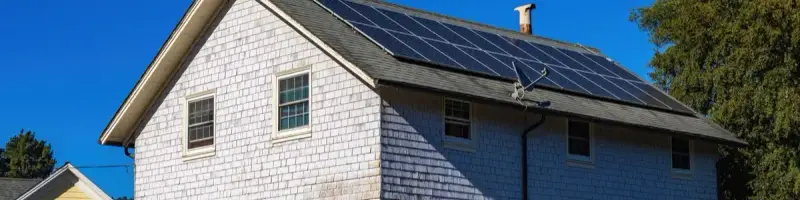
Alamogordo Roof Pros: Roof Replacement, Repair & Storm Damage
Expert residential and commercial roofing across Otero County. Free written estimates and no deposit taken before tear-off day.
GS-21 roofing classification current with New Mexico CID·Crews scheduled by job elevation, never by convenient route·Deck photographed before the underlayment ever covers it·No deposit collected before the day tear-off begins
Alamogordo Roof Pros is a roofing contractor covering the whole of Otero County: roof replacement, leak repair, storm damage work and commercial low-slope, on shingle, standing seam panel, concrete tile and single-ply. Every job strips to bare deck. Rotted sheathing gets cut out, penetrations get reflashed in metal, and the written scope is yours from the day we quote.
What separates this market from every other one is elevation. A house on the basin floor sits near 4,330 feet and sees roughly 10.63 inches of precipitation in a year. A cabin above the escarpment sits closer to 8,700 feet and catches about 66.8 inches of snow. Those are two different roofs, two different underlayments and two different install seasons.
So our first question is never what color shingle you want. It is the address, and how high it is. Down on the flat, roofs die of ultraviolet load, daily thermal swing and wind-borne gypsum grit. Up on the slope they die of meltwater working backward under a course that never sealed. We price both honestly, and we say so when the cheap repair is the right answer.
Our Roofing Services in Alamogordo, NM
Roof Replacement
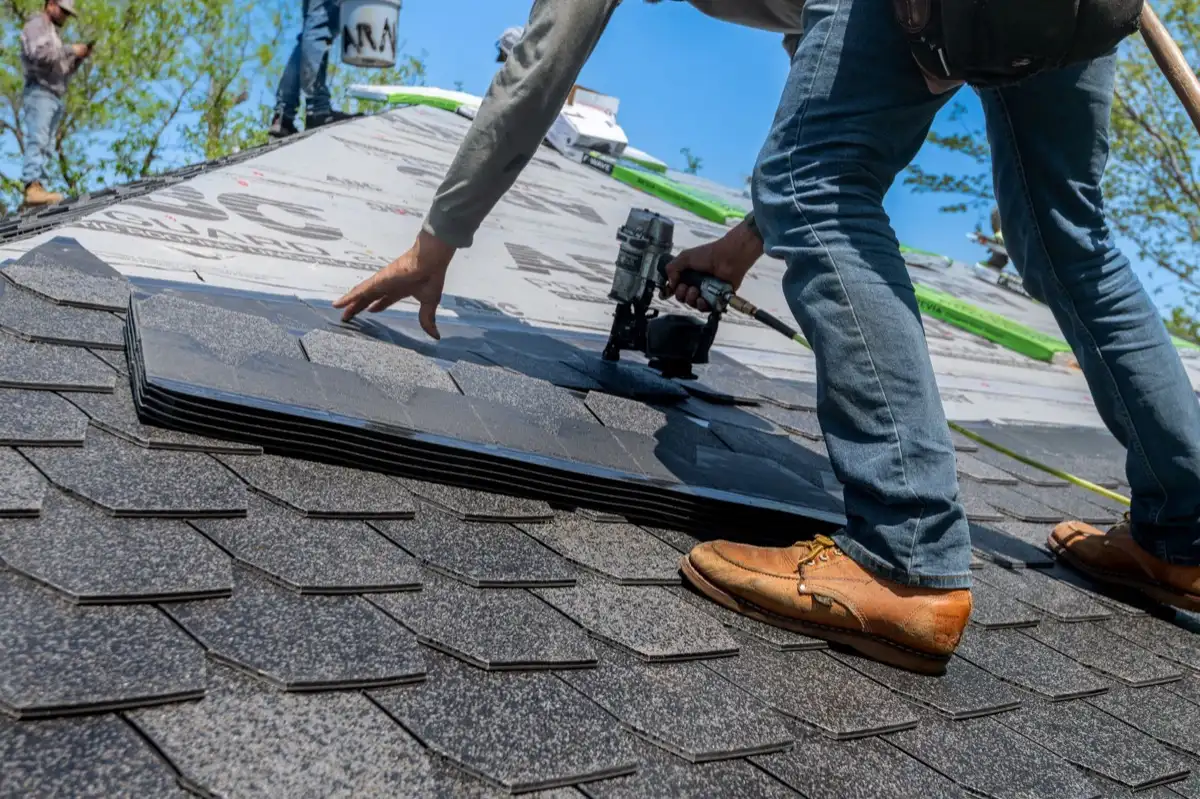
Sixteen road miles up US-82 separate this town from Cloudcroft, and over that distance the ground gains 4,346 feet. We write two replacement specifications inside one county.
Roof Leak Repair
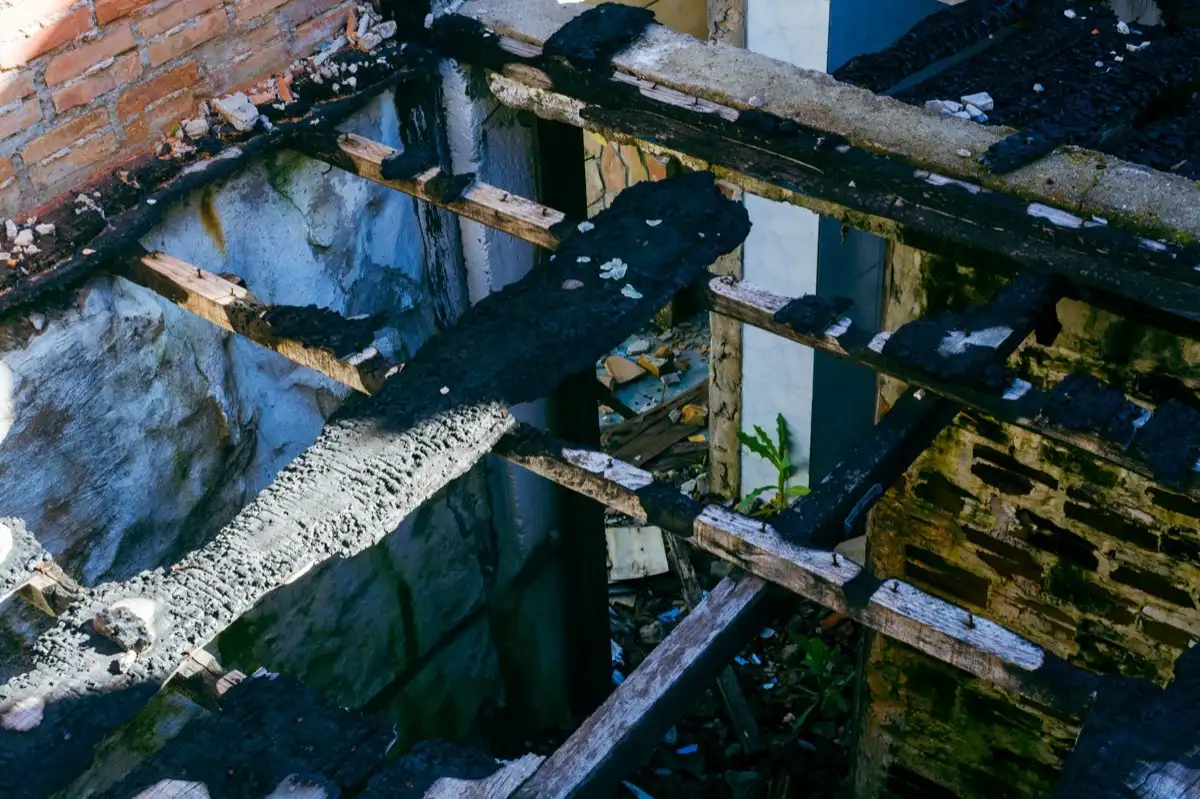
A leak on the basin floor is almost never a field leak. Ten inches of rain a year does not force its way through a healthy shingle.
Storm Damage Restoration
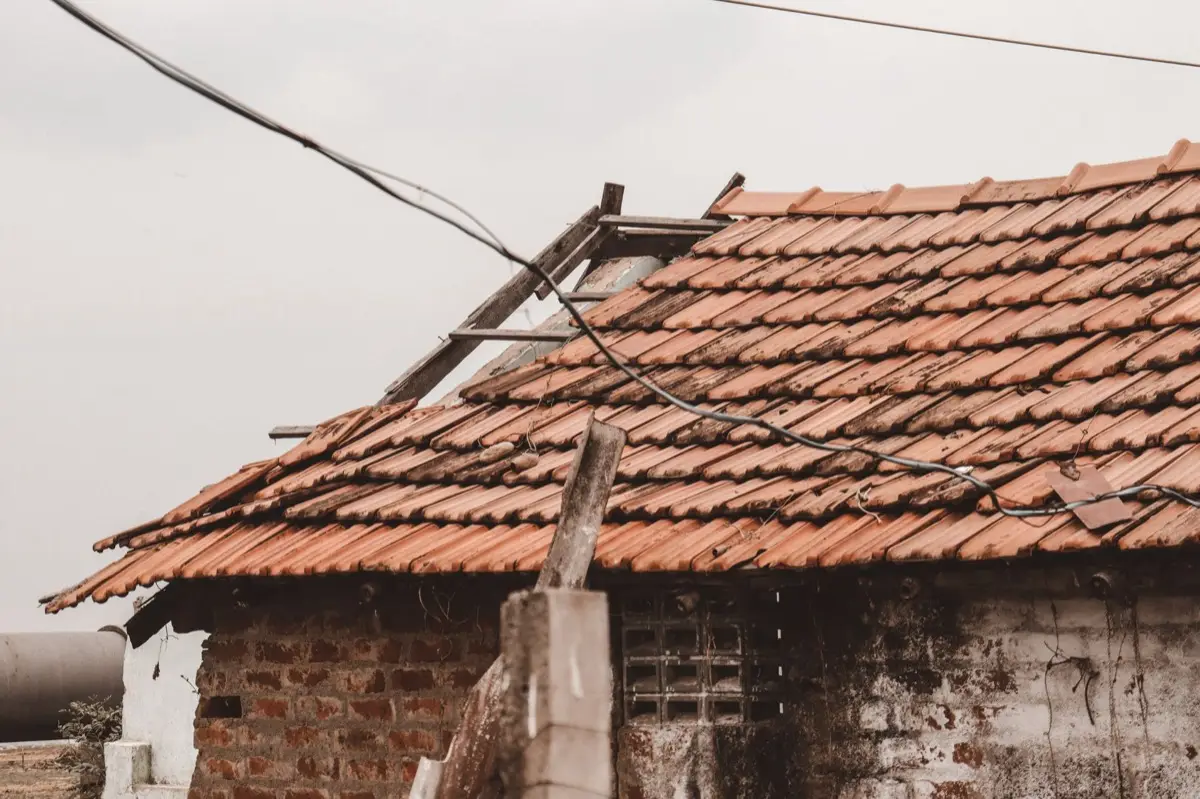
Otero County gets two unrelated storms, and they wreck roofs in different ways. July and August bring monsoon cells that dump hard and briefly.
Hail Damage Roofing
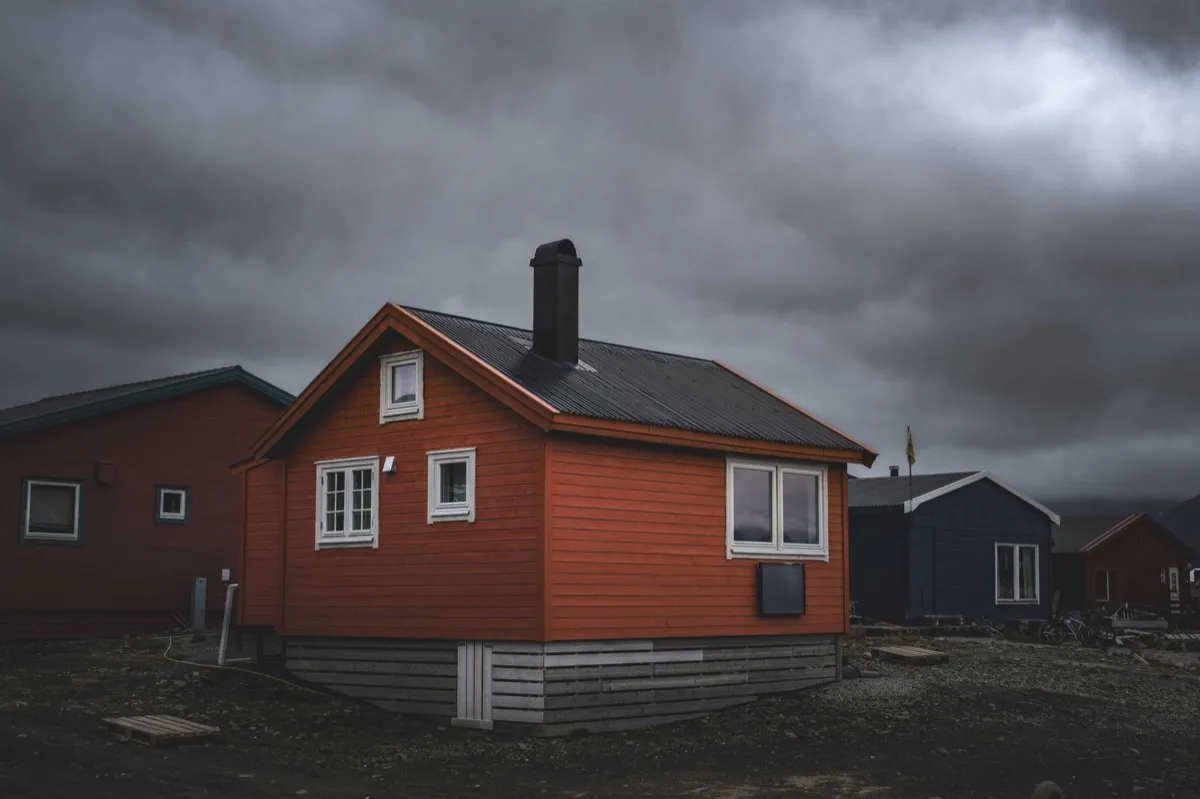
Most hail calls we take in this basin turn out not to be hail. Awkward thing for a roofing company to publish, but the inspections keep saying it, and knowing that before a claim goes in is worth a great deal more than knowing it afterward.
Wind Damage Roofing
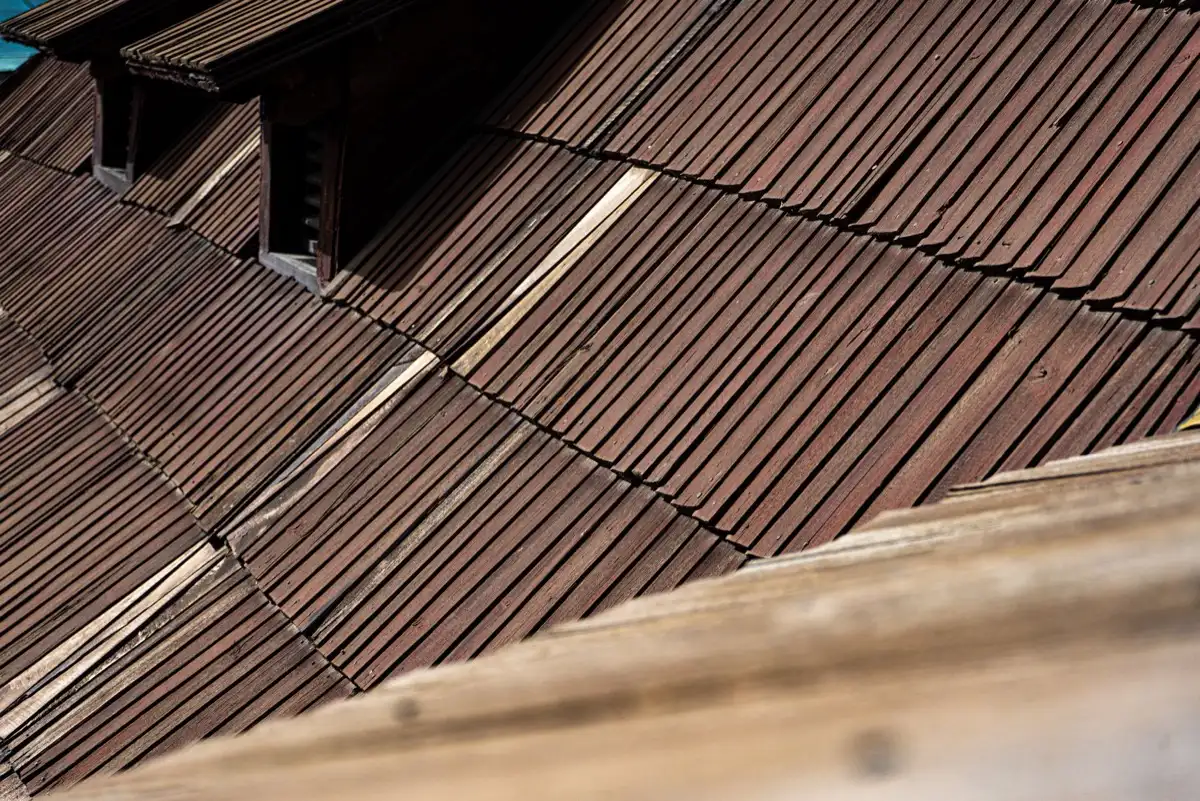
Spring wind in the Tularosa Basin has something in it. It crosses hundreds of square miles of open gypsum dunefield before it reaches the west side of town, and it arrives at the rake edge carrying abrasive.
Roof Inspections
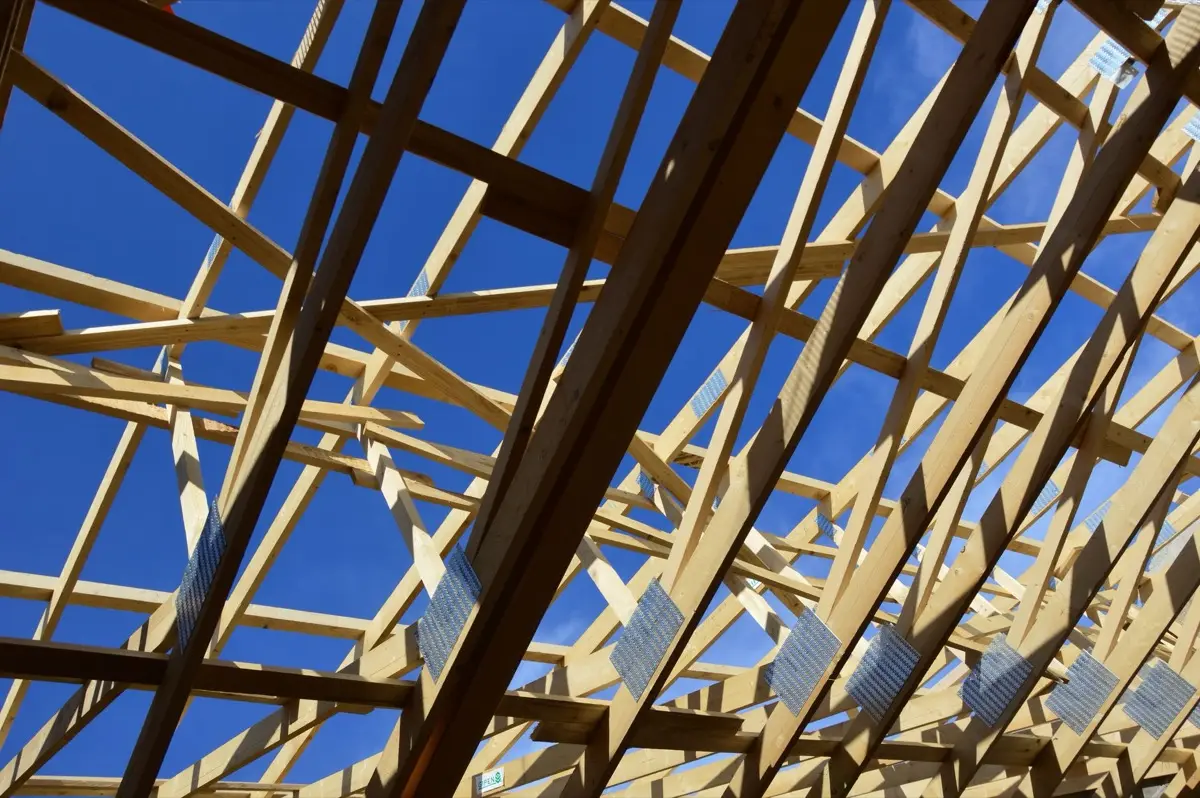
Timing an inspection by the calendar is close to useless in a county with two climates. A basin house wants looking at in late May, before the monsoon arrives.
Asphalt Shingle Roofs
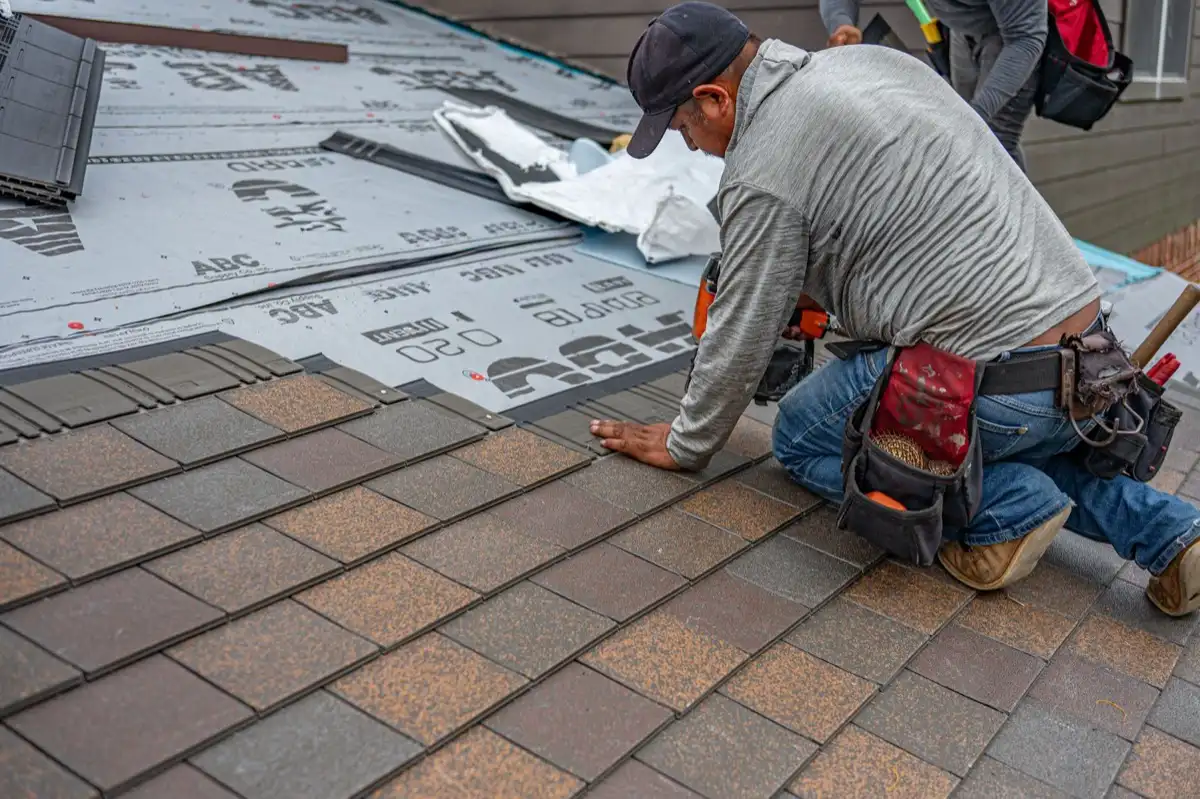
Every asphalt shingle made relies on a strip of factory adhesive that only bonds when the roof gets and stays warm. That one requirement is why a shingle job in Alamogordo and a shingle job in Cloudcroft are not the same job, even with identical bundles off the same pallet.

Metal Roofing
If you own a cabin above the escarpment, standing seam metal is usually where this ends up, and we would rather open with it than sell around it. Snow slides off rather than sitting on it, no exposed fastener can back out, and it asks nothing of an absent owner.

Tile Roofing
Concrete and clay tile suit the basin floor genuinely well. The tiles shrug off ultraviolet exposure that destroys asphalt, they hold up to wind-carried grit, and their thermal mass keeps a roof deck cooler through a 95-degree June afternoon than any shingle will.

Flat & Low-Slope Roofing
Low-slope roofs on the basin floor rarely fail from rainfall volume. They fail at the drain.
Roof Coatings & Sealing
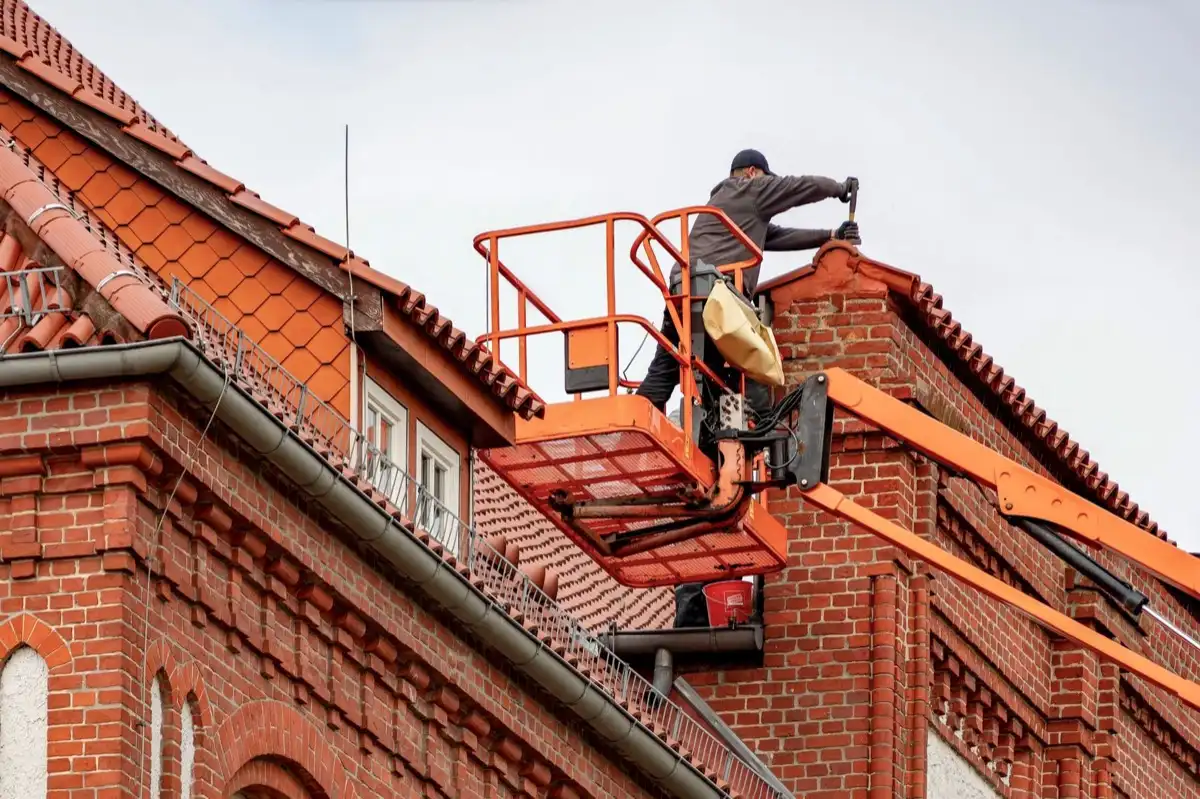
A coating is one of the few genuinely good deals left in roofing, and only in one place. On a sound low-slope basin roof, an elastomeric recoat costs a fraction of replacement, throws off heat, and buys years.
Roof Ventilation
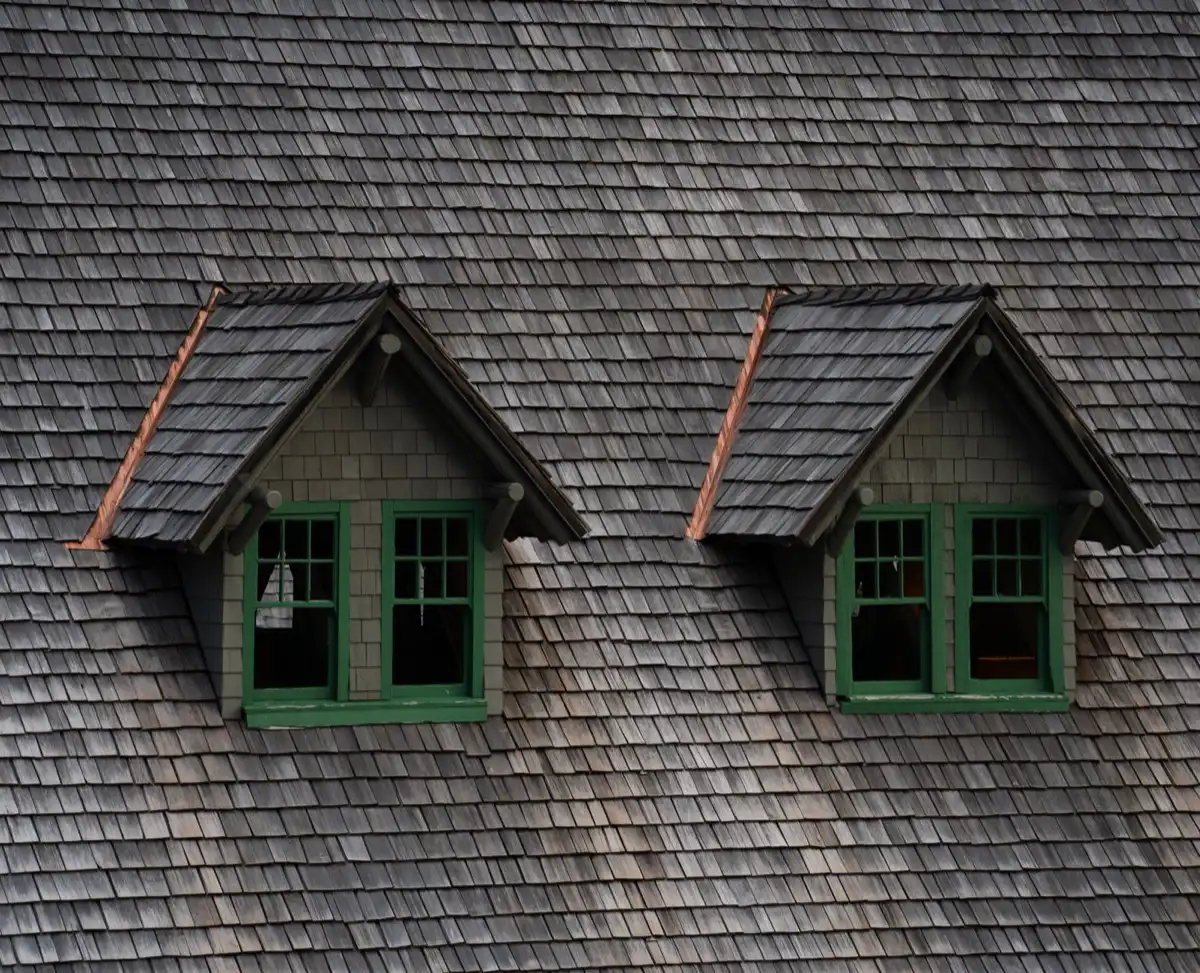
Ventilation matters here for a reason unrelated to humidity. A basin attic hits brutal temperatures on a June afternoon and sheds most of that heat overnight, because the outside air drops sharply once the sun goes.
Skylights
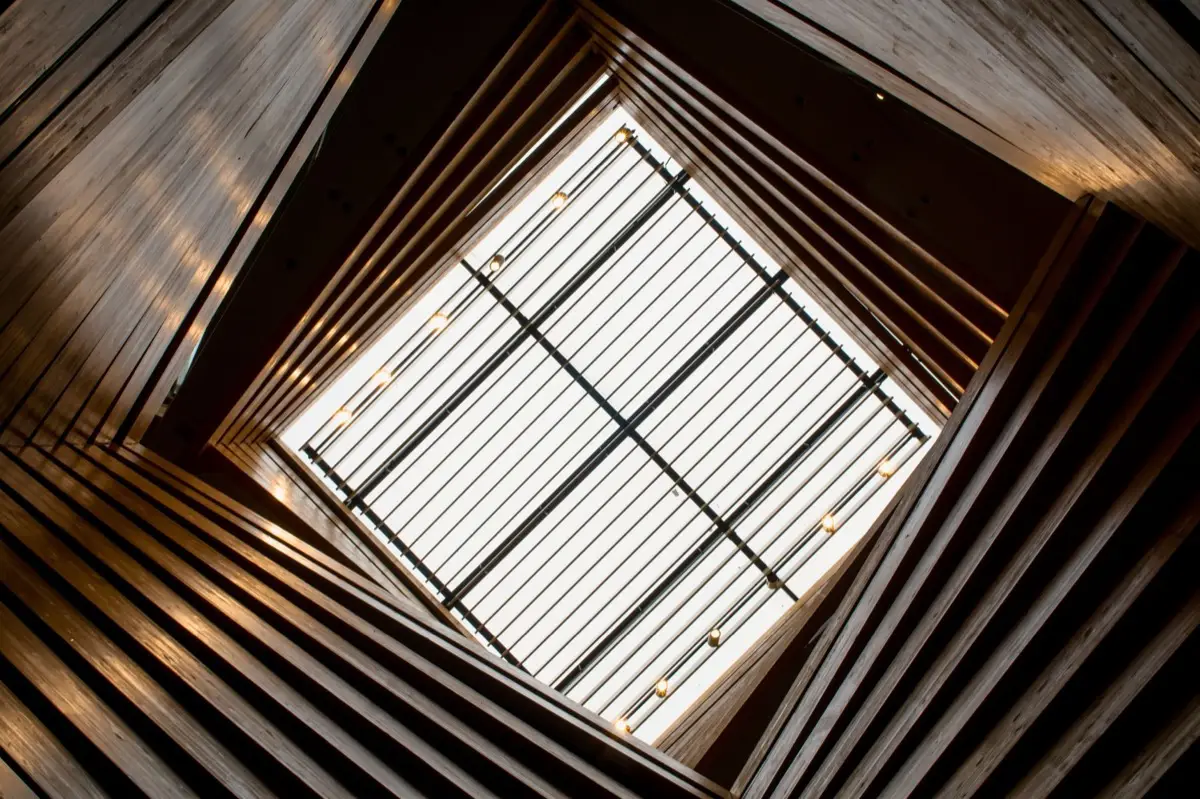
Skylights are the most common source of leaks we fix on both sides of this county, and about half the time the fix is not a repair. It is talking through whether that opening should exist at all, or whether a smaller, better-detailed one would do the job people wanted.
Fascia & Soffit
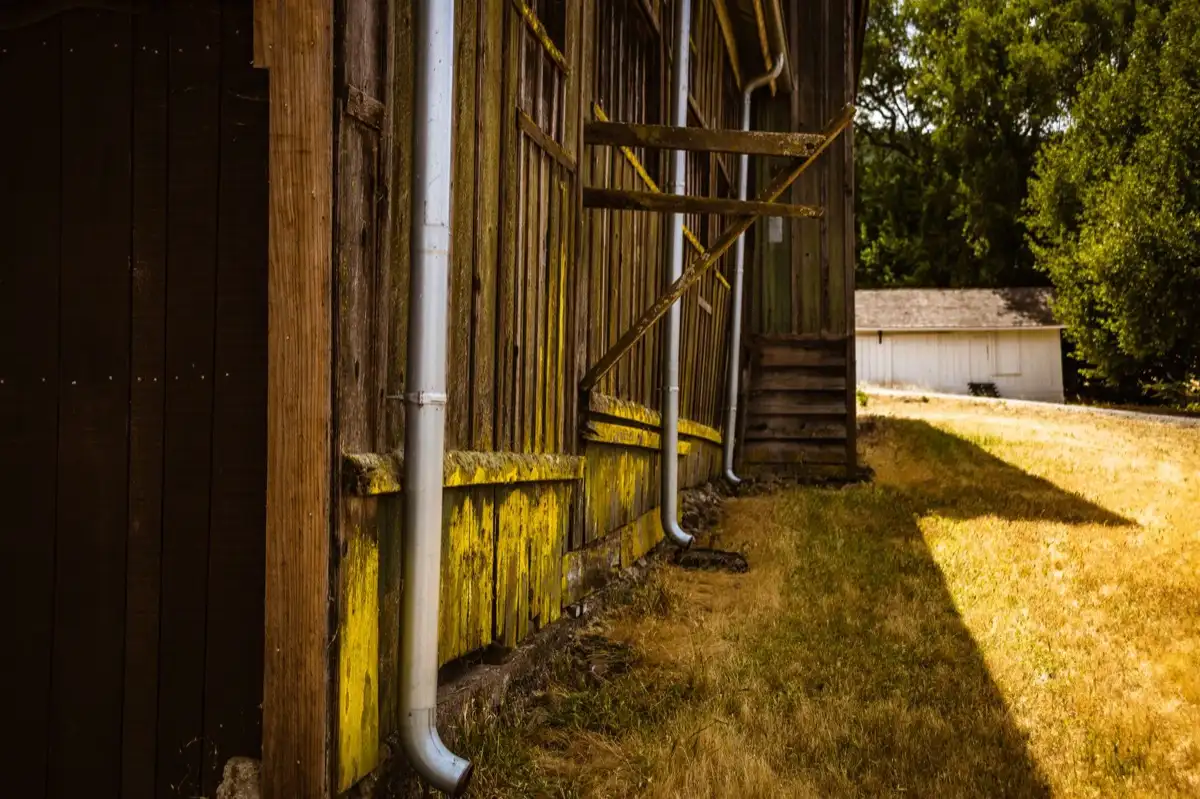
Fascia and soffit fail differently on the two sides of this county, and confusing them is how people fix the wrong thing. Down on the flat the eave dries out and splits.

Chimney Flashing
No other penetration produces as many leak calls as a chimney does, and the cause is nearly always identical. Somebody tried to solve a sheet-metal problem with a tube of sealant.

Commercial Roofing
Commercial buildings in this county divide along exactly the same line the houses do. Retail, medical and light industrial on the basin floor.
Insurance Claim Help
Two conversations happen on this page. One is how to get a legitimate roof claim paid properly.
Why Alamogordo Chooses Alamogordo Roof Pros
- ✓We quote from the elevation of your address, not from a county average, because a roof at 4,330 feet and a roof at 8,676 feet fail in opposite directions.
- ✓Basin-floor roofs get surfaced and ventilated for ultraviolet load and daily thermal swing, which is what actually ends shingle life down here rather than rainfall.
- ✓Mountain roofs get self-adhered eave membrane, closed valleys and a tighter nailing pattern, and we will not shingle one in late fall without hand-sealing every tab.
- ✓We wash gypsum crust off valley bottoms and drain sumps rather than sweeping it, because wetted gypsum cements itself in place and sweeping just polishes it.
- ✓We tell you when you do not have an insurance claim. Granule loss from sun and grit is wear, and filing it anyway leaves a denial on your record for nothing.
- ✓Absentee owners get photographs of the whole roof plane and the eave detail, because a cabin that outnumbers its residents will not report a leak until somebody drives up.
About Alamogordo Roof Pros in Alamogordo, NM
We are a roofing outfit built around one awkward fact: Otero County contains two climates and one phone number. The same crew that strips a flat-roofed house on White Sands Boulevard in the morning can be on a steep cabin roof at 8,000 feet the following week. Treating those as the same job is how roofs fail early here, so we do not.
That shapes how we buy and how we schedule. Mountain work gets self-adhered membrane, ring-shank fasteners and a summer slot. Basin work gets high-reflectance surfacing, generous deck ventilation and detail work at the west-facing rake where the grit lands hardest. We keep both sets of material on the truck because the county gives us no choice.
Several calls a month end with us declining the work. A four-year-old roof somebody has been talked into coating gets a no. A sound roof with one leaking flashing gets the flashing rebuilt and nothing else sold on top of it. And a cabin above the freeze line, on a budget that only reaches the cheapest three-tab on the shelf, gets a polite refusal, because we would only be driving back up there.
Service Areas
Alamogordo Roof Pros serves Alamogordo, NM and surrounding communities including:
How It Works
Address, elevation, access
Before we quote anything we look up where the house actually sits. Basin floor, foothill bench or above the freeze line changes the underlayment, the fastener schedule and the month we can work. It also tells us whether a boom truck can reach the eave or whether every bundle goes up a ladder.
Deck-first inspection
We lift shingles at the eave, the valleys and every penetration rather than judging a roof from the driveway. Soft decking, delaminated sheathing and rusted fasteners get photographed and marked. On mountain jobs we also check the first four feet above the wall line, which is where meltwater damage hides.
Written scope before money
You get a scope that names the shingle or panel, the underlayment product, the gauge of flashing metal, how many fasteners go into each unit, and the decking allowance, with a fixed price attached. No deposit changes hands before tear-off day. If the deck opens up worse than the photos showed, we stop and show you before anything is added.
Tear-off, dry-in, close-out
We strip to bare deck, replace bad sheathing, dry the roof in the same day and never leave felt exposed overnight in spring. Debris is magnet-swept twice. You get deck photographs taken before the underlayment covered them, which is the only record of what was actually under there.
Recent Projects Across Otero County and the Tularosa Basin
Full gallery →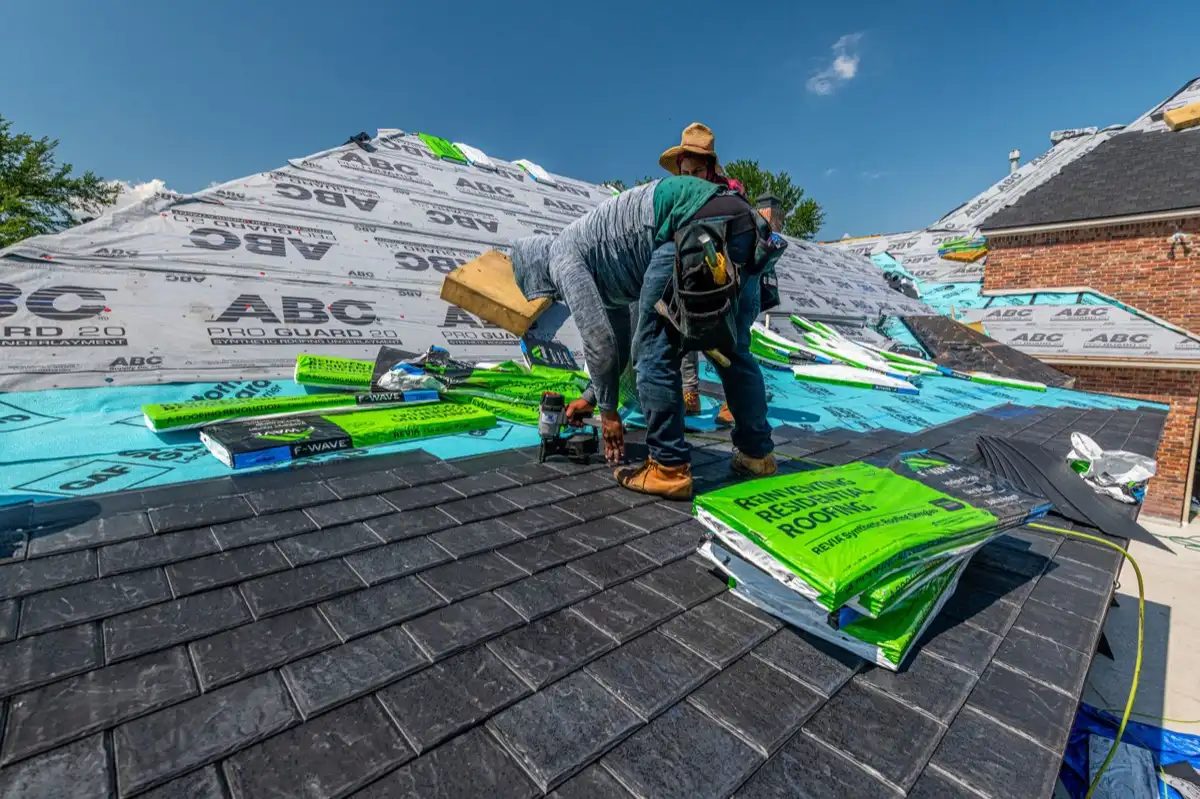

What Alamogordo Customers Say
They pulled shingles at three spots before quoting instead of squinting from the driveway. Found rot over the porch nobody else mentioned. Price never moved from the written scope and the yard was clean twice.
First roofer who told me flat out that October was the wrong month to shingle up here and offered to hand-seal instead. We waited until June. Snow slid clean off the new panels all winter.
I called about hail after the neighborhood filled up with claim signs. They inspected, showed me photos and said it was sun and grit, not hail, and did not charge me. Then they fixed the one flashing that was actually leaking.
Cabin sits empty most of the winter so I never see problems early. They photographed every plane and the whole eave line and marked two spots to watch. Repair was done before the first real storm.
Commercial roofing from the basin floor to the mountain lodges
Commercial work in this county splits the same way residential does. Down on the flat it is single-ply and modified bitumen over retail, medical and light industrial buildings, where the recurring problem is drain and scupper throats crusted with gypsum rather than sheer rainfall volume. Up in Cloudcroft and Ruidoso it is lodging, cabins and restaurant buildings carrying real snow, where ice at the eave and drifting behind roof units decide everything.
- ✓TPO and EPDM single-ply over retail, office and medical buildings
- ✓Modified bitumen recover where the existing deck is dry and sound
- ✓Drain, sump and scupper cleaning that removes crust, not just debris
- ✓Standing seam retrofit over mountain lodging and restaurant roofs
- ✓Curb reflashing around rooftop units, exhaust fans and condensers
- ✓Snow retention and eave protection on commercial mountain buildings
- ✓Night and early-morning tear-offs so storefronts keep trading
- ✓Roof asset reports with elevation-specific replacement timing
Frequently Asked Questions
Who issues the permit for a re-roof inside Alamogordo city limits?
The City of Alamogordo states on its own FAQ that it no longer issues building permits, and that work inside city limits instead comes through its office for an Ordinance Review. The building permit itself is handled at the state level under the 2021 New Mexico Residential Building Code. We handle that paperwork and we do not start a tear-off until it is settled.
Does New Mexico actually license roofing contractors?
Yes. Roofing is its own classification, GS-21, issued by the Construction Industries Division of the New Mexico Regulation and Licensing Department. It requires a trade exam and a business and law exam through PSI, and it renews on a three-year cycle. Every bidder should hand that number over without being pressed, and it is searchable in a minute. Plenty of states license no roofer whatsoever. New Mexico does, so make it work for you.
Why is a Cloudcroft quote so different from an Alamogordo quote?
Because it is a different roof. Cloudcroft sits 4,346 feet higher than Alamogordo and averages roughly 66.8 inches of snow against 2.4 down here. That buys a self-adhered eave membrane, a tighter fastener pattern, closed valleys and often snow retention over doorways. It also buys a narrower install window. The drive is the smallest part of the difference.
There is white dust all over my roof and gutters. Does it matter?
It can. The dunefield west of town is gypsum, not quartz sand, and the National Park Service describes gypsum as water-soluble, dissolving in rain and cementing grains together. On a roof that means gutter beds, valley bottoms and scupper throats hold a hard crust rather than loose silt. You cannot blow it out. It has to be wetted and scraped, and it must come off before any coating goes down.
The neighbors are all filing hail claims. Should I?
Probably not, and the inspection that settles it costs you nothing. Most of what gets called hail damage on the basin floor is granule loss from ultraviolet exposure and wind-carried grit, which every carrier reads as wear rather than a covered peril. A denial still lands on your loss history and buys you nothing at all. We would rather hand you photographs and an honest no.
When can you shingle a house up in the Sacramentos?
Sealant strips on an asphalt shingle need sustained warm roof temperatures to bond. On the basin floor that happens most of the year. Above about 7,000 feet, a late-October install can sit unsealed until spring, which is exactly the season the wind is worst. So we either hand-seal every tab with roof cement as we go, or we schedule the job for summer and say so.